Any Question? Email Us
info@nepalhimalayastrekking.comTalk To An Expert ( Prakash Lamsal )
Any Question? Email Us
info@nepalhimalayastrekking.comTalk To An Expert ( Prakash Lamsal )
Everest Three High Passes Trek is the most complete and challenging trekking route in the Everest region of Nepal. This 22-day high-altitude adventure crosses three spectacular Himalayan passes — Kongma La (5,500m), Cho La (5,420m), and Renjo La (5,400m) — while visiting Everest Base Camp, Kala Patthar, Gokyo Lakes, and Gokyo Ri.
This trek is designed for experienced trekkers who want more than the classic Everest Base Camp route. It offers remote trails, glacier crossings, panoramic Himalayan views, and deep cultural immersion in Sherpa villages.
The Everest Three Passes Trek is the most comprehensive trekking circuit in the Khumbu region. Unlike the standard Everest Base Camp trek, this route forms a loop that connects Everest Base Camp with the Gokyo Valley via three demanding mountain passes.
The trek begins with a scenic flight from Kathmandu to Lukla. From there, the trail passes through Namche Bazaar, Tengboche, Dingboche, Lobuche, and Gorak Shep. After visiting Everest Base Camp and Kala Patthar, trekkers cross Kongma La, Cho La, and Renjo La before reaching the turquoise Gokyo Lakes and returning to Lukla.
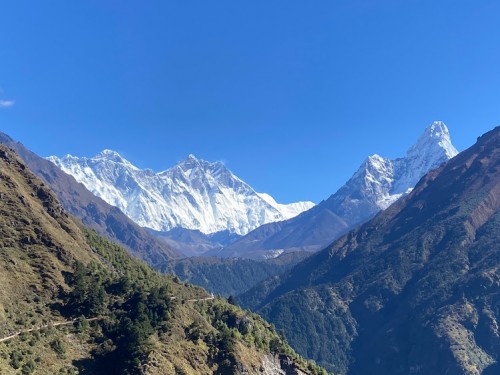
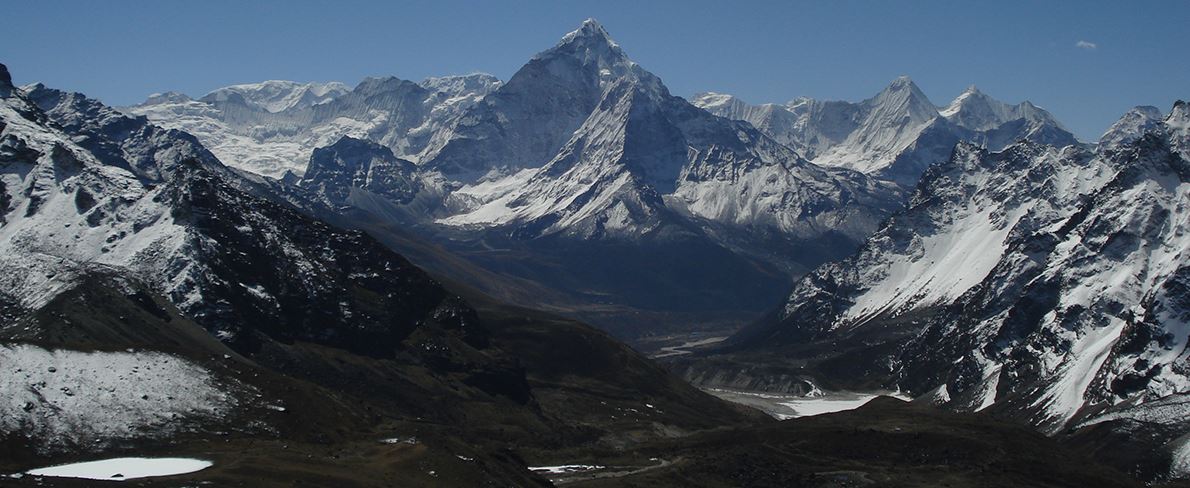
The highest of the three passes, Kongma La connects Dingboche and Lobuche. It involves steep climbs and rocky terrain but rewards trekkers with dramatic views of Ama Dablam and the Imja Valley.
Cho La Pass includes glacier crossings and rugged trails between Dzongla and Thagnak. It offers stunning views of Cholatse and the Ngozumpa Glacier.
Renjo La provides one of the best panoramic views in the Everest region, including Everest, Lhotse, Makalu, and Cho Oyu. It leads into the peaceful Gokyo Valley.
Everest Base Camp (5,364m) is one of the key highlights of the trek. Standing at the base of the world’s highest mountain gives trekkers a strong sense of achievement.
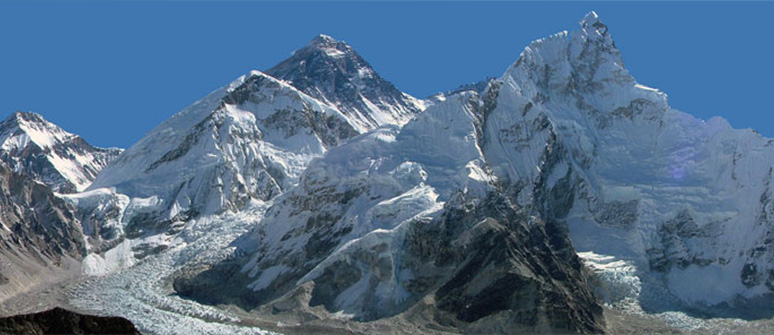
Kala Patthar (5,545m) offers the closest and clearest view of Mount Everest. Sunrise from Kala Patthar is considered the best photographic moment of the trek.
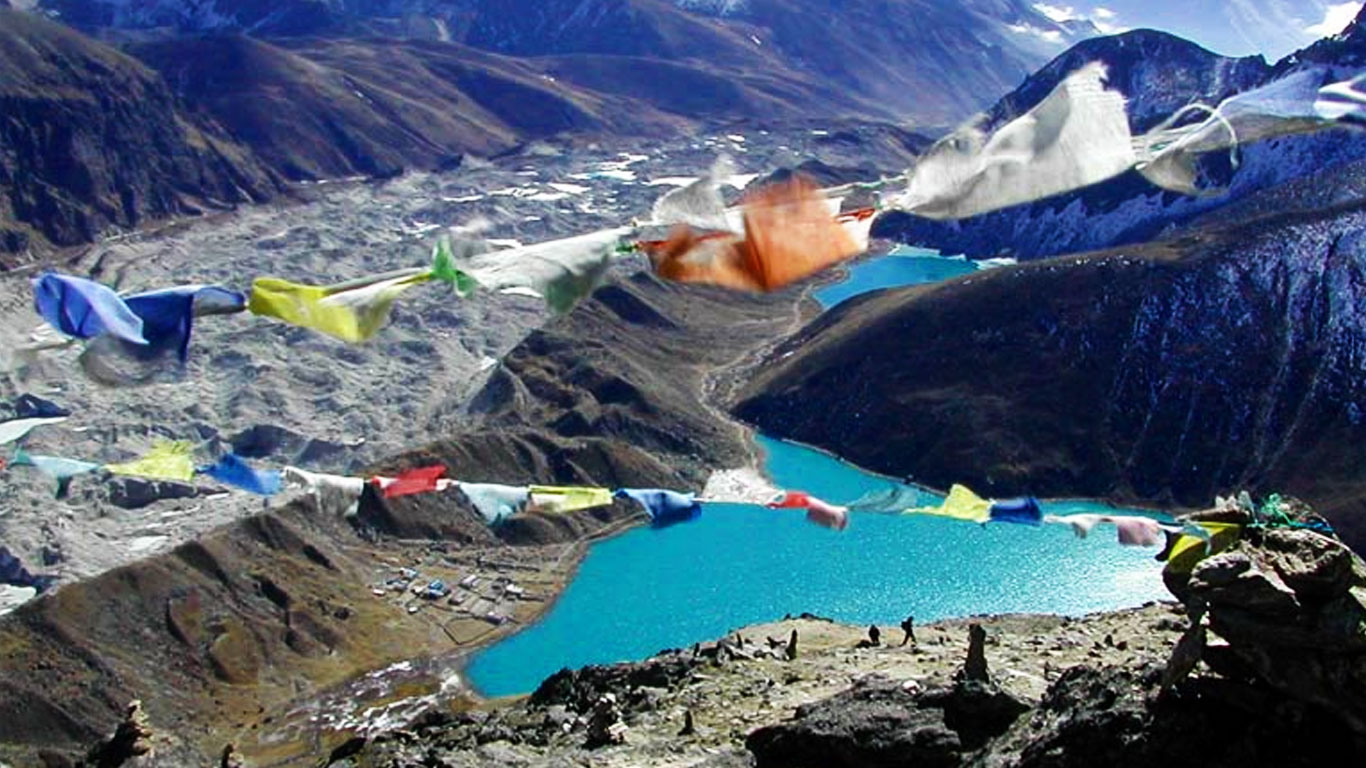
The Gokyo Lakes are the highest freshwater lake system in the world, located at around 4,800m. The turquoise waters reflect the surrounding snow peaks.
Climbing Gokyo Ri (5,483m) provides panoramic views of Everest, Makalu, Cho Oyu, and the massive Ngozumpa Glacier.
Day 1–2: Arrival and Kathmandu sightseeing
Day 3: Flight to Lukla, trek to Ghat
Day 4–6: Trek to Namche Bazaar, acclimatization
Day 7–9: Trek to Dingboche, acclimatization
Day 10–11: Cross Kongma La, reach Lobuche
Day 12: Everest Base Camp
Day 13: Kala Patthar, return to Lobuche
Day 14–15: Cross Cho La, reach Thagnak
Day 16–17: Gokyo Lakes and Gokyo Ri
Day 18: Cross Renjo La
Day 19–20: Return to Namche and Lukla
Day 21: Fly to Kathmandu
Day 22: Departure
The Everest Three High Passes Trek is classified as challenging. It requires excellent physical fitness and prior high-altitude trekking experience.
| Permit | Cost (NPR) | Cost (USD) |
|---|---|---|
| Sagarmatha National Park Entry | 3,000 + VAT | ~25 |
| Khumbu Pasang Lhamu Rural Municipality Permit | 2,000 | ~15 |
Note: TIMS card is not required for this trek.
Spring (March–May) – Stable weather, blooming rhododendrons, clear mountain views.
Autumn (September–November) – Best visibility, dry trails, ideal pass crossings.
Winter is possible but colder. Monsoon is not recommended due to slippery trails and flight disruptions.
Proper acclimatization is essential due to multiple passes above 5,000m. The itinerary includes rest days in Namche and Dingboche.
Walking Distance: 135–162 km
Flight Distance: 280 km round trip (Kathmandu–Lukla)
Teahouses provide twin-sharing rooms with shared bathrooms. Meals include dal bhat, noodles, pasta, soups, Tibetan bread, tea, and coffee.
Facilities become more basic at higher altitudes. A warm sleeping bag is recommended.
This trek combines Everest Base Camp, Kala Patthar, Gokyo Lakes, and three high passes into one epic Himalayan circuit. It is the most complete trekking experience in Nepal for adventure seekers.
If you want a less crowded, more adventurous, and panoramic Everest experience, the Everest Three High Passes Trek is the ultimate choice.
Upon your arrival in Nepal’s bustling capital, our representative will welcome you at the airport and transfer you to our hotel, and settle you in. This day is dedicated to our rest, a little hangout, and trek preparation. We will be exploring the local sites like Thamel, Basantpur, and Swayambhu if time permits. The evening brings the welcome dinner and briefing before the exciting two weeks of thrill and adventure arrive.
We will have a full day for exploring Kathmandu’s UNESCO World Heritage sites like Pashupatinath, Kathmandu Durbar Squares, Swayambhunath, and others. We will have a short briefing session and will prepare for the needed formalities before the trek. We will enjoy local cuisines and vibrant markets around Kathmandu and shop for the essentials for the trek in the evening.
We will board a scenic flight to Lukla from Kathmandu, most probably early in the morning if weather permits. Upon our landing, we will meet with our porters and begin our trek along the Dudh Koshi River. We will set the tone of this trek with a brief 2-3 hour trek and reach Ghat, where we will rest in an overnight stay.
This will be a relatively longer trek than yesterday, as we will trek for about 5 hours, along the Dudh Koshi River. We will pass through the village of Phakding and cross suspension bridges, enjoy the breeze, and ascend through the pine forests. This trail will offer us glimpses of local Sherpa life and distant peaks. We will reach Monjo, which is a gateway for Sagarmatha National Park, for the night.
We will trek for almost 5 hours today to reach Namche Bazaar from Monjo. The ascent will exacerbate the precipitous incline toward Namche Bazaar. If the weather is fine, we catch our first glimpses of Mt. Everest afar. We shall perambulate along the fluvial corridor of the Dudh Koshi, navigating a series of pendulous viaducts spanning the coursing torrent, before ingress into the sacrosanct precincts of Sagarmatha National Park. We will rest in the bustling town for the Sherpa Community at Namche Bazar.
The rest day is scheduled for us to acclimatize and enjoy the surroundings of Namche Bazaar. We have an early hike, which is optional, to the Hotel Everest View, which is the highest hotel in the world. This peregrination fosters acclimatization to the attenuated atmosphere, while enchanting us with the numinous aura of dwelling amidst towering pinnacles in sublime sequestration. In the afternoon or evening, we explore the nearby Sherpa Museum to get insights into the proud history and culture of the Sherpa Community.
The day will expose us to the alpine meadows and landscapes with the far views of Everest and Ama Dablam in front of our eyes while passing through the rhododendron forests. We will visit Tengboche Monastery, which is a spiritual highlight. We will descend to the quiet place of Deboche for a serene end to our day and to spend the night in a teahouse.
We will walk along the Imja valley and pass through the ancient village named Pangboche. We will continue climbing beyond the tree line to the open alpine region. We have a glimpse of stone walls that are protecting the fields from the high-paced wind as we get near Dingboche. The altitude starts catching up as breathing gets flowers and mindful. We reach Dingboche early in the afternoon and rest to adjust to the thin air.
We will take an opportunity for rest for the acclimatization as we have gained a significant elevation. Dingboche is a major acclimatization point and creates a transit between ascending and descending. We have scheduled an optional hike to Nangkartsang Peak at an elevation of 5083m that offers enchanting views of the Himalayas like Makalu, with Imja Valley. We will witness the resilience and struggling happiness of mountain life here. We will gain a deep appreciation for the people who live here and serve the trekkers.
We will have a challenging day as our altitude will challenge us with its thin air. The less-traveled trail will ascend thoroughly through the rugged terrain and secluded landscapes. This 440m altitude gain feels demanding as it will prepare us for the great crossing of the pass tomorrow. We will rest in a basic teahouse or camp in the base of Kongma La Pass and prepare for a pass crossing.
The most strenuous and challenging day of our journey is here. We will cross the Kongma La Pass at 5550m at its peak. This steep ascent to the pass is the trek’s highest point, and as grueling as it can be. The possibility of snow and slippery soil is another concern. We will get rewarded with the most satisfying views of the Himalayas while crossing. We will descend to Lobuche and stay there overnight.
The trek along the moraines of the glacier to Gorak Shep is our final overnight stop before we triumph over the Everest Base Camp. We commence at dawn, arriving at Gorak Shep for midday repast. Post-luncheon, we don our footwear for the culminating endeavor to Everest Base Camp. The base camp is draped with the ice towers and greets us at the base camp. Though Everest isn't visible here, we soak in the photogenic and achievement moments. We will return to Gorak Shep after a few hours for the overnight stay.
We will start before sunrise to ascend to the Kala Patthar. This venue provides arguably the best gigantic view of Everest, which glows in gold while revealing its majesty at sunrise. After soaking in the serene and royal setting of this view, we will descend back to Gorak Shep for lunch and start descending towards Lukla. Overnight in Pheriche will feel lighter as we have achieved the highest point of this trek.
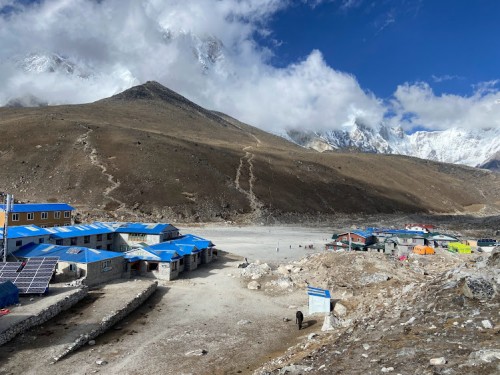
This is a relatively easier day of trek. We will trek for 4-5 hours in an easier path and reach Dzongla, where we will be staying overnight. The serene setting around Dzongla feels tranquil before the strenuous pass tomorrow. After arriving in Dzongla, we’ll gear up for tomorrow’s trek over the Chola Pass.
The day is dedicated to our second pass crossing. The steep climb of Cho La involved a rocky and steep ascent and possibly a glacial walk, making it a bit to cross the path. We will gain a total of 577m of elevation today while being on the peak point of the pass with the rewarding views of the landscapes around. We’ll spend the night in a modest teahouse in Thagnak.
We will have a mild 3-4 hours of trekking session today along the Ngozumpa Glacier. This short trek allows us the recover after Cho La pass. Gokyo’s turquoise lakes and Cho Oyu backdrop are breathtaking. We will get the time to explore the serene lakeside of Gokyo. The stunning scenery will rejuvenate us for the Gokyo Ri climb. We will rest early to get refreshed for the ascent tomorrow.
We will climb to Gokyo Ri, a 2-3 hour hike round-trip. We will soak into the atmosphere for a few moments and get back to Gokyo for lunch. After lunch, we will further trek for 3-4 hours to Renjo La base and prepare for the final pass. We will rest in a basic trail in Renjo La Base. From the top of Gokyo Ri, we’ll take in the most stunning views of the Himalayas.
The Renjo La Pass is the final pass of this trek. This ascent to Renjo La offers panoramic vistas of the Everest range and around Gokyo in our backdrop. This ascent and descent to Taranga marks the end of our three-pass challenge. The total trek will be about 6-8 hours today. We will rest in a teahouse of Taranga and prepare for a low descent to Namche tomorrow.
This will be a longer day as we have a little bit easier descent. We will retrace our steps through the local Sherpa Villages. The air will feel heavier and easier as we go down the hill. We will see the tapestry of green forests transitioning from the alpine meadows. We will reach Namche Bazaar by evening and celebrate with the fresh bakery and warm comforts.
This will be the last day of our adventurous trek to the Everest Base Camp. The trails will feel more relaxed, more familiar, as we will be retracing the same path as we began our journey. We will pass through the village of Phakding and arrive at Lukla by evening. We will meet and thank our porters for helping us get through our journey. In the waning hours of the evening, we exult with our cohort, ruminating on the profound odyssey we have undertaken.
If the weather is fair and friendly, we will take an early flight from Lukla to Kathmandu. The Himalayas will be seen shrinking beneath our sight once again. We will finally arrive in Kathmandu to take back the amenities of urban life that we missed during our voyage to the Everest Base Camp and back. We will rest and enjoy the rest of the day at our own will and prepare for the departure tomorrow. We will also have a celebratory dinner to mark the achievement of Everest Base Camp and the three passes.
We will prepare for our departure in the morning. We will stroll around Thamel to buy souvenirs for the memories of Nepal. Our representative will see you off with warm farewell wishes at the Tribhuwan International Airport. We will leave lifelong memories and deep friendship, hoping to see you again in Nepal for another memorable voyage together. We express heartfelt gratitude for your sojourn in Nepal and eagerly anticipate your swift return!
The best of the seasons for the trek to Three Passes and Everest Base Camp is Spring and Autumn, these seasons provide the best experiences and relatively easier trails.
This trek is amongst the most challenging treks as it passes the high-altitude passes and Kala Patthar peak at a highest of 5545m. Also, the path is rugged, and the weather can be very unpredictable at times.
Altitude sickness is a major challenge that causes headaches, nausea, and dizziness above the of 3000 m. Gradual ascent and proper acclimatization help in avoiding such risks.
We will get immersed in the Sherpa Culture and visit Tengboche Monastery and Thame’s ancient gompa. We will get to engage with the locals in different villages and attend the prayer ceremonies.
We will get to encounter the festivals in Dashain and Tihar in Autumn and Lhosar in spring. We can witness the colorful and vibrant festivals enhancing our cultural experiences.
Travel Insurance is very crucial for such high-altitude treks like of Three Passes. It also protects against trip cancellations, lost gear, and medical issues.
The spring season offers blooming landscapes with the late showers. Autumn is a relatively dry season with clear skies. Autumn also offers the best views during the Three Passes trek.
Pack for the varied wearables for this trek, like jackets, inner thermal coats, etc. For your benefit, pack the medications like Diamox and painkillers, snacks, and a few energy tablets if you want to consume them. The water purification tablet(chlorine) is highly recommended.
We at Nepal Himalayas Trekking offer an expert service in our itineraries with experienced and expert Sherpa Guides, cozy and warm teahouse accommodations, with a safe and secure environment for the successful trek.
In this trek, we will pass the three major passes, push the summit of Gokyo Ri and Kala Patthar, and achieve the feat of Everest Base Camp. We will also have an opportunity of immersing and soaking to the local Sherpa Culture.

Enjoy the popular trekking and tour packages in Nepal Himalayas. 2026.
Everest Three High Passes Trek is the most complete and challenging trekking route in the Everest region of Nepal. This 22-day high-altitude adventure crosses three spectacular Himalayan passes — Kongma La (5,500m), Cho La (5,420m), and Renjo La (5,400m) — while visiting Everest Base Camp, Kala Patthar, Gokyo Lakes, and Gokyo Ri.
This trek is designed for experienced trekkers who want more than the classic Everest Base Camp route. It offers remote trails, glacier crossings, panoramic Himalayan views, and deep cultural immersion in Sherpa villages.
The Everest Three Passes Trek is the most comprehensive trekking circuit in the Khumbu region. Unlike the standard Everest Base Camp trek, this route forms a loop that connects Everest Base Camp with the Gokyo Valley via three demanding mountain passes.
The trek begins with a scenic flight from Kathmandu to Lukla. From there, the trail passes through Namche Bazaar, Tengboche, Dingboche, Lobuche, and Gorak Shep. After visiting Everest Base Camp and Kala Patthar, trekkers cross Kongma La, Cho La, and Renjo La before reaching the turquoise Gokyo Lakes and returning to Lukla.
The highest of the three passes, Kongma La connects Dingboche and Lobuche. It involves steep climbs and rocky terrain but rewards trekkers with dramatic views of Ama Dablam and the Imja Valley.
Cho La Pass includes glacier crossings and rugged trails between Dzongla and Thagnak. It offers stunning views of Cholatse and the Ngozumpa Glacier.
Renjo La provides one of the best panoramic views in the Everest region, including Everest, Lhotse, Makalu, and Cho Oyu. It leads into the peaceful Gokyo Valley.
Everest Base Camp (5,364m) is one of the key highlights of the trek. Standing at the base of the world’s highest mountain gives trekkers a strong sense of achievement.
Kala Patthar (5,545m) offers the closest and clearest view of Mount Everest. Sunrise from Kala Patthar is considered the best photographic moment of the trek.
The Gokyo Lakes are the highest freshwater lake system in the world, located at around 4,800m. The turquoise waters reflect the surrounding snow peaks.
Climbing Gokyo Ri (5,483m) provides panoramic views of Everest, Makalu, Cho Oyu, and the massive Ngozumpa Glacier.
Day 1–2: Arrival and Kathmandu sightseeing
Day 3: Flight to Lukla, trek to Ghat
Day 4–6: Trek to Namche Bazaar, acclimatization
Day 7–9: Trek to Dingboche, acclimatization
Day 10–11: Cross Kongma La, reach Lobuche
Day 12: Everest Base Camp
Day 13: Kala Patthar, return to Lobuche
Day 14–15: Cross Cho La, reach Thagnak
Day 16–17: Gokyo Lakes and Gokyo Ri
Day 18: Cross Renjo La
Day 19–20: Return to Namche and Lukla
Day 21: Fly to Kathmandu
Day 22: Departure
The Everest Three High Passes Trek is classified as challenging. It requires excellent physical fitness and prior high-altitude trekking experience.
| Permit | Cost (NPR) | Cost (USD) |
|---|---|---|
| Sagarmatha National Park Entry | 3,000 + VAT | ~25 |
| Khumbu Pasang Lhamu Rural Municipality Permit | 2,000 | ~15 |
Note: TIMS card is not required for this trek.
Spring (March–May) – Stable weather, blooming rhododendrons, clear mountain views.
Autumn (September–November) – Best visibility, dry trails, ideal pass crossings.
Winter is possible but colder. Monsoon is not recommended due to slippery trails and flight disruptions.
Proper acclimatization is essential due to multiple passes above 5,000m. The itinerary includes rest days in Namche and Dingboche.
Walking Distance: 135–162 km
Flight Distance: 280 km round trip (Kathmandu–Lukla)
Teahouses provide twin-sharing rooms with shared bathrooms. Meals include dal bhat, noodles, pasta, soups, Tibetan bread, tea, and coffee.
Facilities become more basic at higher altitudes. A warm sleeping bag is recommended.
This trek combines Everest Base Camp, Kala Patthar, Gokyo Lakes, and three high passes into one epic Himalayan circuit. It is the most complete trekking experience in Nepal for adventure seekers.
If you want a less crowded, more adventurous, and panoramic Everest experience, the Everest Three High Passes Trek is the ultimate choice.
Upon your arrival in Nepal’s bustling capital, our representative will welcome you at the airport and transfer you to our hotel, and settle you in. This day is dedicated to our rest, a little hangout, and trek preparation. We will be exploring the local sites like Thamel, Basantpur, and Swayambhu if time permits. The evening brings the welcome dinner and briefing before the exciting two weeks of thrill and adventure arrive.
We will have a full day for exploring Kathmandu’s UNESCO World Heritage sites like Pashupatinath, Kathmandu Durbar Squares, Swayambhunath, and others. We will have a short briefing session and will prepare for the needed formalities before the trek. We will enjoy local cuisines and vibrant markets around Kathmandu and shop for the essentials for the trek in the evening.
We will board a scenic flight to Lukla from Kathmandu, most probably early in the morning if weather permits. Upon our landing, we will meet with our porters and begin our trek along the Dudh Koshi River. We will set the tone of this trek with a brief 2-3 hour trek and reach Ghat, where we will rest in an overnight stay.
This will be a relatively longer trek than yesterday, as we will trek for about 5 hours, along the Dudh Koshi River. We will pass through the village of Phakding and cross suspension bridges, enjoy the breeze, and ascend through the pine forests. This trail will offer us glimpses of local Sherpa life and distant peaks. We will reach Monjo, which is a gateway for Sagarmatha National Park, for the night.
We will trek for almost 5 hours today to reach Namche Bazaar from Monjo. The ascent will exacerbate the precipitous incline toward Namche Bazaar. If the weather is fine, we catch our first glimpses of Mt. Everest afar. We shall perambulate along the fluvial corridor of the Dudh Koshi, navigating a series of pendulous viaducts spanning the coursing torrent, before ingress into the sacrosanct precincts of Sagarmatha National Park. We will rest in the bustling town for the Sherpa Community at Namche Bazar.
The rest day is scheduled for us to acclimatize and enjoy the surroundings of Namche Bazaar. We have an early hike, which is optional, to the Hotel Everest View, which is the highest hotel in the world. This peregrination fosters acclimatization to the attenuated atmosphere, while enchanting us with the numinous aura of dwelling amidst towering pinnacles in sublime sequestration. In the afternoon or evening, we explore the nearby Sherpa Museum to get insights into the proud history and culture of the Sherpa Community.
The day will expose us to the alpine meadows and landscapes with the far views of Everest and Ama Dablam in front of our eyes while passing through the rhododendron forests. We will visit Tengboche Monastery, which is a spiritual highlight. We will descend to the quiet place of Deboche for a serene end to our day and to spend the night in a teahouse.
We will walk along the Imja valley and pass through the ancient village named Pangboche. We will continue climbing beyond the tree line to the open alpine region. We have a glimpse of stone walls that are protecting the fields from the high-paced wind as we get near Dingboche. The altitude starts catching up as breathing gets flowers and mindful. We reach Dingboche early in the afternoon and rest to adjust to the thin air.
We will take an opportunity for rest for the acclimatization as we have gained a significant elevation. Dingboche is a major acclimatization point and creates a transit between ascending and descending. We have scheduled an optional hike to Nangkartsang Peak at an elevation of 5083m that offers enchanting views of the Himalayas like Makalu, with Imja Valley. We will witness the resilience and struggling happiness of mountain life here. We will gain a deep appreciation for the people who live here and serve the trekkers.
We will have a challenging day as our altitude will challenge us with its thin air. The less-traveled trail will ascend thoroughly through the rugged terrain and secluded landscapes. This 440m altitude gain feels demanding as it will prepare us for the great crossing of the pass tomorrow. We will rest in a basic teahouse or camp in the base of Kongma La Pass and prepare for a pass crossing.
The most strenuous and challenging day of our journey is here. We will cross the Kongma La Pass at 5550m at its peak. This steep ascent to the pass is the trek’s highest point, and as grueling as it can be. The possibility of snow and slippery soil is another concern. We will get rewarded with the most satisfying views of the Himalayas while crossing. We will descend to Lobuche and stay there overnight.
The trek along the moraines of the glacier to Gorak Shep is our final overnight stop before we triumph over the Everest Base Camp. We commence at dawn, arriving at Gorak Shep for midday repast. Post-luncheon, we don our footwear for the culminating endeavor to Everest Base Camp. The base camp is draped with the ice towers and greets us at the base camp. Though Everest isn't visible here, we soak in the photogenic and achievement moments. We will return to Gorak Shep after a few hours for the overnight stay.
We will start before sunrise to ascend to the Kala Patthar. This venue provides arguably the best gigantic view of Everest, which glows in gold while revealing its majesty at sunrise. After soaking in the serene and royal setting of this view, we will descend back to Gorak Shep for lunch and start descending towards Lukla. Overnight in Pheriche will feel lighter as we have achieved the highest point of this trek.
This is a relatively easier day of trek. We will trek for 4-5 hours in an easier path and reach Dzongla, where we will be staying overnight. The serene setting around Dzongla feels tranquil before the strenuous pass tomorrow. After arriving in Dzongla, we’ll gear up for tomorrow’s trek over the Chola Pass.
The day is dedicated to our second pass crossing. The steep climb of Cho La involved a rocky and steep ascent and possibly a glacial walk, making it a bit to cross the path. We will gain a total of 577m of elevation today while being on the peak point of the pass with the rewarding views of the landscapes around. We’ll spend the night in a modest teahouse in Thagnak.
We will have a mild 3-4 hours of trekking session today along the Ngozumpa Glacier. This short trek allows us the recover after Cho La pass. Gokyo’s turquoise lakes and Cho Oyu backdrop are breathtaking. We will get the time to explore the serene lakeside of Gokyo. The stunning scenery will rejuvenate us for the Gokyo Ri climb. We will rest early to get refreshed for the ascent tomorrow.
We will climb to Gokyo Ri, a 2-3 hour hike round-trip. We will soak into the atmosphere for a few moments and get back to Gokyo for lunch. After lunch, we will further trek for 3-4 hours to Renjo La base and prepare for the final pass. We will rest in a basic trail in Renjo La Base. From the top of Gokyo Ri, we’ll take in the most stunning views of the Himalayas.
The Renjo La Pass is the final pass of this trek. This ascent to Renjo La offers panoramic vistas of the Everest range and around Gokyo in our backdrop. This ascent and descent to Taranga marks the end of our three-pass challenge. The total trek will be about 6-8 hours today. We will rest in a teahouse of Taranga and prepare for a low descent to Namche tomorrow.
This will be a longer day as we have a little bit easier descent. We will retrace our steps through the local Sherpa Villages. The air will feel heavier and easier as we go down the hill. We will see the tapestry of green forests transitioning from the alpine meadows. We will reach Namche Bazaar by evening and celebrate with the fresh bakery and warm comforts.
This will be the last day of our adventurous trek to the Everest Base Camp. The trails will feel more relaxed, more familiar, as we will be retracing the same path as we began our journey. We will pass through the village of Phakding and arrive at Lukla by evening. We will meet and thank our porters for helping us get through our journey. In the waning hours of the evening, we exult with our cohort, ruminating on the profound odyssey we have undertaken.
If the weather is fair and friendly, we will take an early flight from Lukla to Kathmandu. The Himalayas will be seen shrinking beneath our sight once again. We will finally arrive in Kathmandu to take back the amenities of urban life that we missed during our voyage to the Everest Base Camp and back. We will rest and enjoy the rest of the day at our own will and prepare for the departure tomorrow. We will also have a celebratory dinner to mark the achievement of Everest Base Camp and the three passes.
We will prepare for our departure in the morning. We will stroll around Thamel to buy souvenirs for the memories of Nepal. Our representative will see you off with warm farewell wishes at the Tribhuwan International Airport. We will leave lifelong memories and deep friendship, hoping to see you again in Nepal for another memorable voyage together. We express heartfelt gratitude for your sojourn in Nepal and eagerly anticipate your swift return!
The best of the seasons for the trek to Three Passes and Everest Base Camp is Spring and Autumn, these seasons provide the best experiences and relatively easier trails.
This trek is amongst the most challenging treks as it passes the high-altitude passes and Kala Patthar peak at a highest of 5545m. Also, the path is rugged, and the weather can be very unpredictable at times.
Altitude sickness is a major challenge that causes headaches, nausea, and dizziness above the of 3000 m. Gradual ascent and proper acclimatization help in avoiding such risks.
We will get immersed in the Sherpa Culture and visit Tengboche Monastery and Thame’s ancient gompa. We will get to engage with the locals in different villages and attend the prayer ceremonies.
We will get to encounter the festivals in Dashain and Tihar in Autumn and Lhosar in spring. We can witness the colorful and vibrant festivals enhancing our cultural experiences.
Travel Insurance is very crucial for such high-altitude treks like of Three Passes. It also protects against trip cancellations, lost gear, and medical issues.
The spring season offers blooming landscapes with the late showers. Autumn is a relatively dry season with clear skies. Autumn also offers the best views during the Three Passes trek.
Pack for the varied wearables for this trek, like jackets, inner thermal coats, etc. For your benefit, pack the medications like Diamox and painkillers, snacks, and a few energy tablets if you want to consume them. The water purification tablet(chlorine) is highly recommended.
We at Nepal Himalayas Trekking offer an expert service in our itineraries with experienced and expert Sherpa Guides, cozy and warm teahouse accommodations, with a safe and secure environment for the successful trek.
In this trek, we will pass the three major passes, push the summit of Gokyo Ri and Kala Patthar, and achieve the feat of Everest Base Camp. We will also have an opportunity of immersing and soaking to the local Sherpa Culture.